ISOPERM
Welcome to the ISOPERM — a new, multidisciplinary, collaborative research project investigating the stability of permafrost in Siberia throughout the last ca. 2 million years.
Siberian permafrost is a major carbon store, containing double the amount of carbon found in today’s atmosphere. Anthropogenic global warming threatens the stability of this ancient permafrost, with the potential to release vast amounts of greenhouse gases into the atmosphere, further exacerbating climate change.
This project aims at the reconstruction of past continental temperatures, seasonal characteristics, and historical permafrost extent, thus establishing critical thresholds for Siberian permafrost formation and thaw that can inform predictions of permafrost dynamics in the near future.

Collaborators
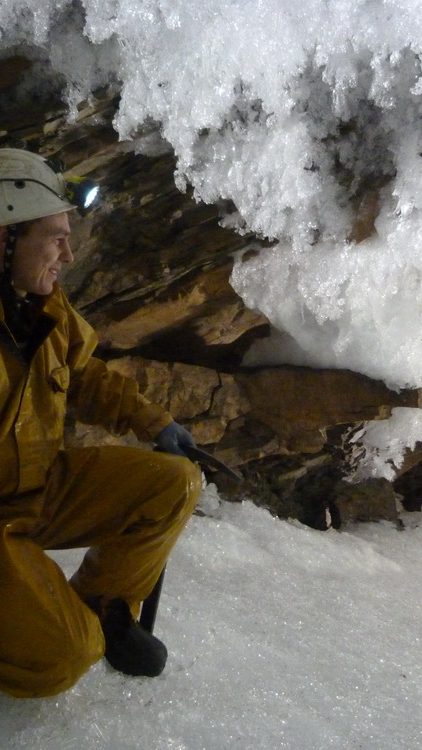
ISOPERM is a collaboration between the Department of Geography and Environmental Sciences at Northumbria University, United Kingdom, and the Alfred Wegener Institute Helmholtz Centre for Polar and Marine Research in Potsdam, Germany. We work closely with colleagues at The Technical University of Irkutsk and the Arabika Speleoclub in Russia, the LARA Lab at the University of Bern, the Helmholtz-Zentrum Dresden-Rossendorf in Germany, the University of Oxford in the UK, and the Israelian Geological Survey.
This project is funded by The Leverhulme Trust.

News and events
EGU 2025
25 April 2025
The most important conference in the Geoscience calendar is back and of course ISOPERM is there. Stuart will be presenting four years of work reconstructing past temperatures of Siberia using clumped isotopes.
Session CL1.2.3, room 0.31/32 on 28 April 2025, 10:05
Spot us at the BCRA 2024 Conference
12 September 2024
If it’s about caves, you’ll find us there! And luckily enough, this year’s BCRA Conference is being held at our very own Northumbria University.
So if you’re into caves, sign up, come along and say “hello”. Several members of the team will be presenting. Check out schedule.
ISOPERM making headlines
04 September 2024
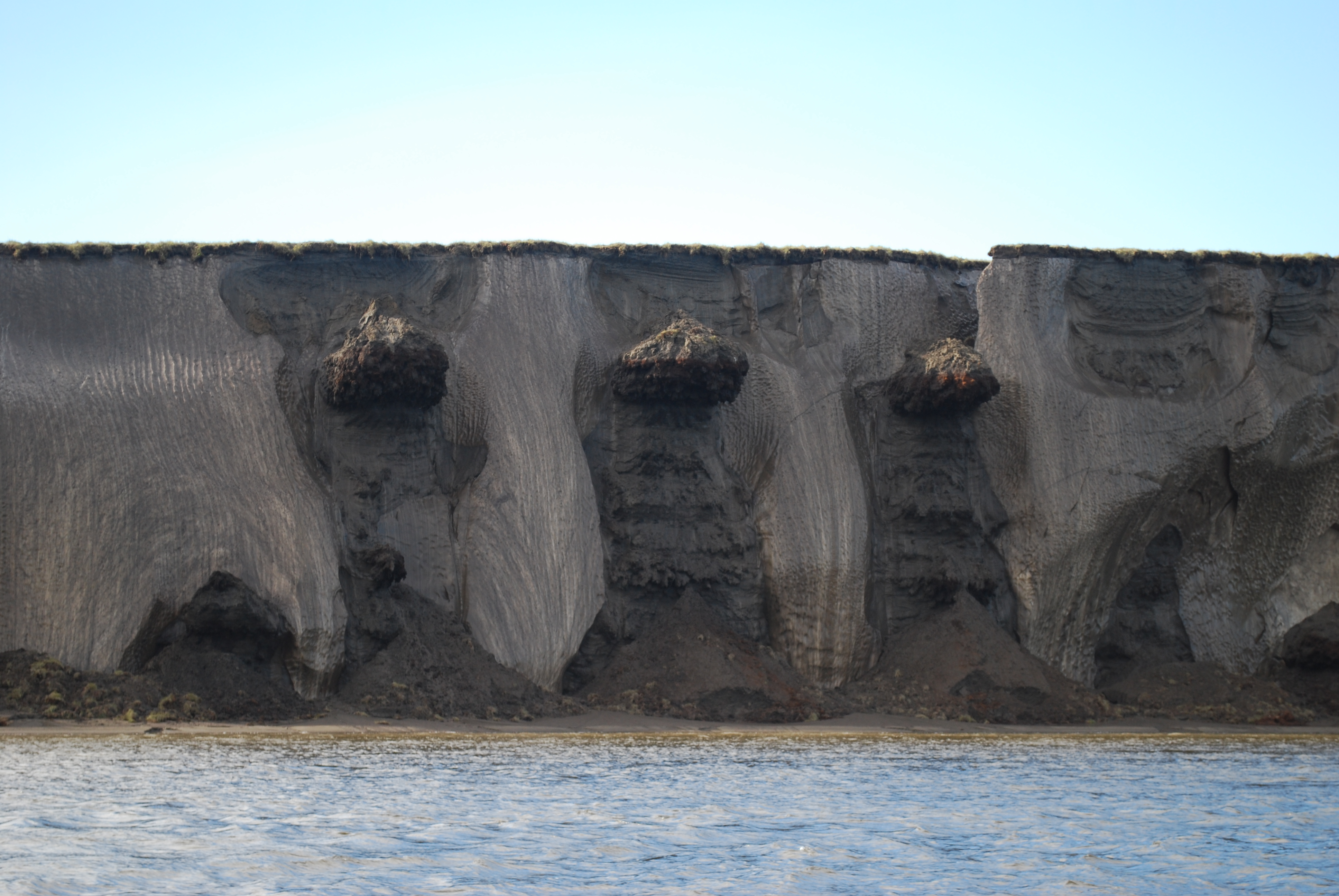
Our esteemed team member Thomas Opel was recently interviewed in Der Spiegel, talking about his work in Siberia’s ‘gateway to the Underworld’, the Batagay Megaslump.
Read all about it here.
Dispatches from the field
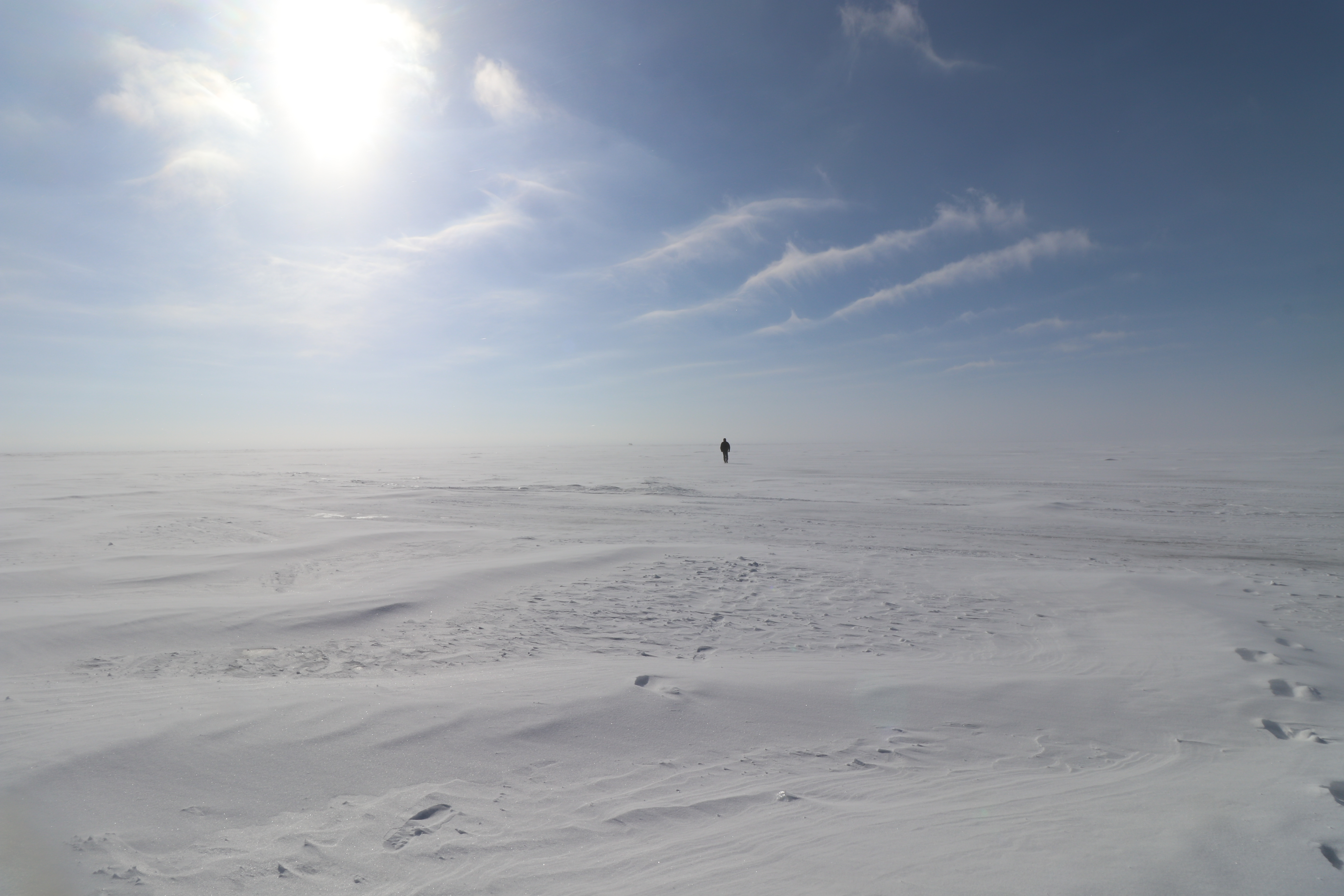
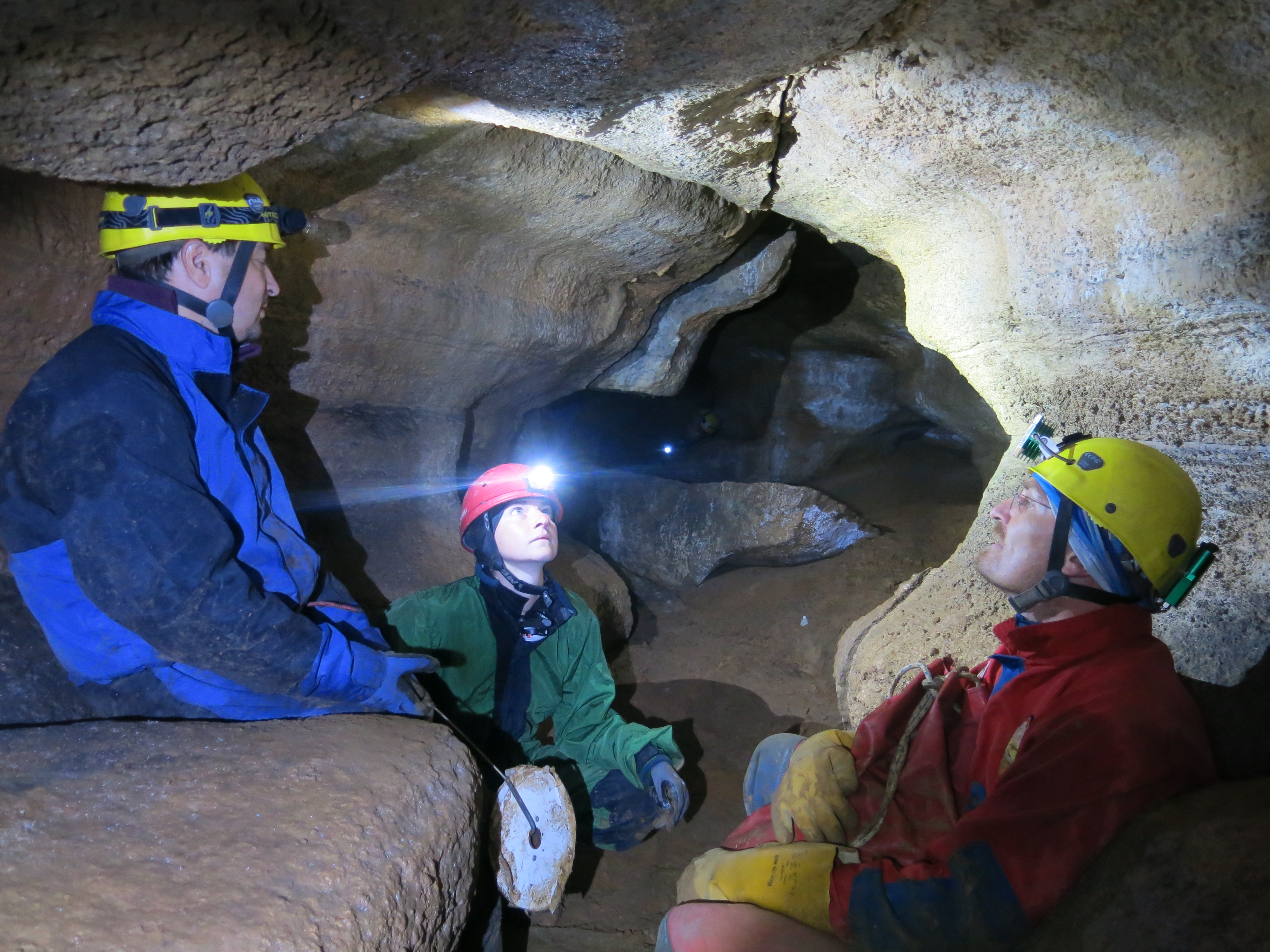
We spent a month in Siberia collecting speleothem samples throughout February 2022. Check out our travel blog and explore what it’s like doing fieldwork in some of the coldest regions on Earth.
Photo gallery from our 2022 fieldwork
Presentations
A full list of our past talks and presentations can be found here.
EGU 2025: CL1.2.3 – Speleothem and karst records – Reconstructing terrestrial climatic and environmental change, room 0.31/32 on 28 April 2025, 10:05 (Talk)
International Clumped Isotope Workshop, Stony Brook University, 26 – 28 August 2024 (poster)
Spotlight on our Earth, Centre for Life, Newcastle Upon Tyne, 13 July 2024. Public outreach event (images)
OnePlanet Conference, Newcastle, 4 June 2024. Maria Box (poster)
PalaeoArc 2024, Tromsø, Norway, June 2 – 6, 2025. Thomas Opel (poster)
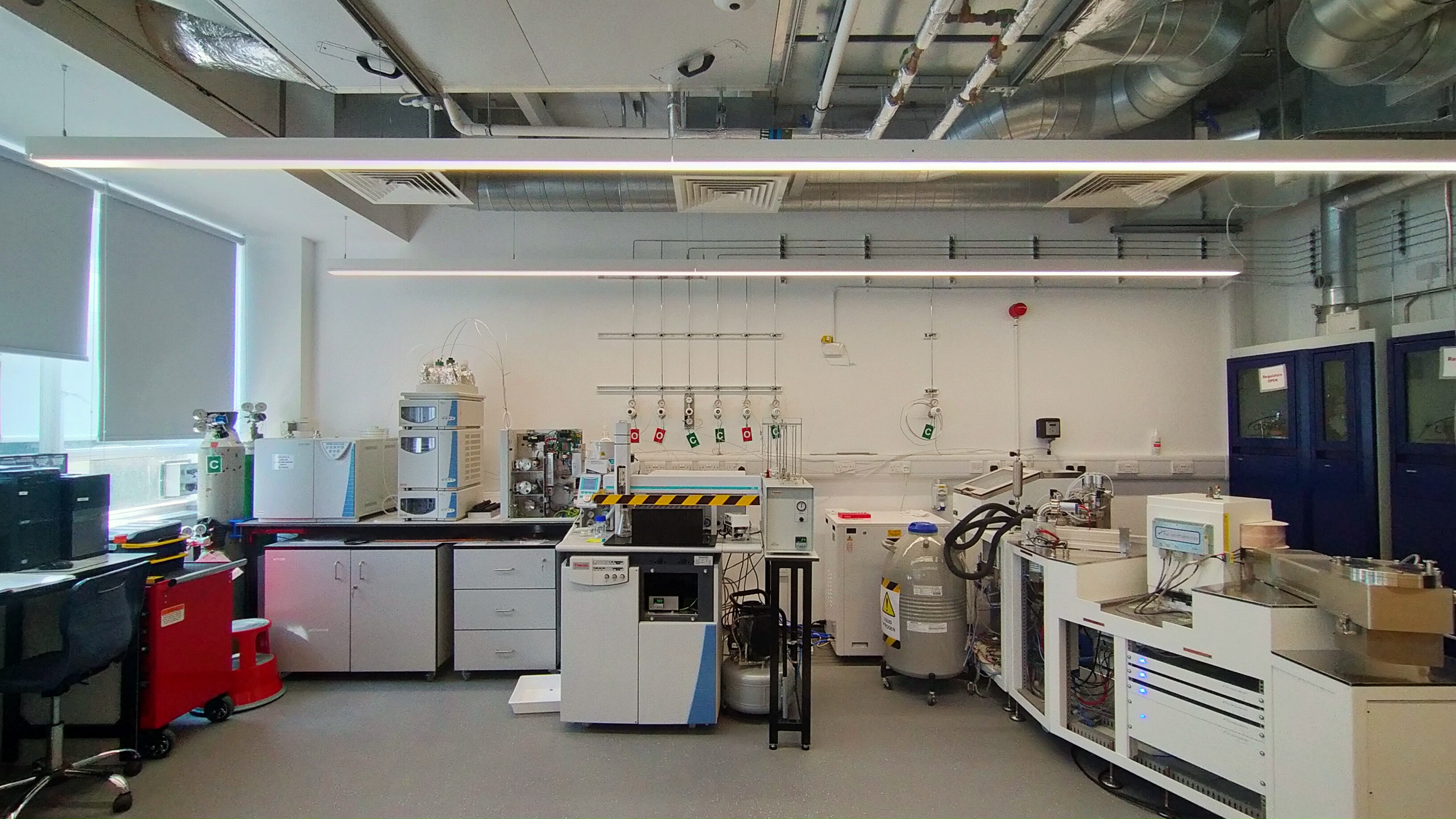
Analytical facilities
Get in touch…
Your message has been sent

Publications
Jongejans, L. L., Mangelsdorf, K., Karger, C., Opel, T., Wetterich, S., Courtin, J., Meyer, H., Kizyakov, A. I., Grosse, G., Shepelev, A. G., Syromyatnikov, I. I., Fedorov, A. N., and Strauss, J.: Molecular biomarkers in Batagay megaslump permafrost deposits reveal clear differences in organic matter preservation between glacial and interglacial periods, The Cryosphere, 16, 3601–3617. https://doi.org/10.5194/tc-16-3601-2022
Courtin J, Perfumo A, Andreev A, Opel T, Stoof-Leichsenring K, Edwards M, Murton J, Herzschuh U. (2022). Pleistocene glacial and interglacial ecosystems inferred from ancient DNA analyses of permafrost sediments from Batagay megaslump, East Siberia. Environmental DNA. https://doi.org/10.1002/edn3.336
Umbo S, Lechleitner F, Breitenbach S. (2022). The story of interglacial permafrost unraveled in frozen caves, Past Global Changes Horizons, vol. 2, 41 – 45 https://doi.org/10.22498/pages.horiz.2.41
 ISOPERM